

Age Spots vs. Skin Cancer: What to Look For?
So, you're looking in the mirror one morning and notice something new on your skin – maybe a weird red patch or a dark little spot. If you're anything like me, your first thought probably jumps straight to, "Uh oh, is this just a normal age spot, or something scarier, like skin cancer?" It's a common worry, and it's definitely an important one to pay attention to. While most spots are totally harmless, knowing the difference and when to get a professional opinion is absolutely key for keeping your skin healthy.
What's That Spot? Age Spot or Something Else?
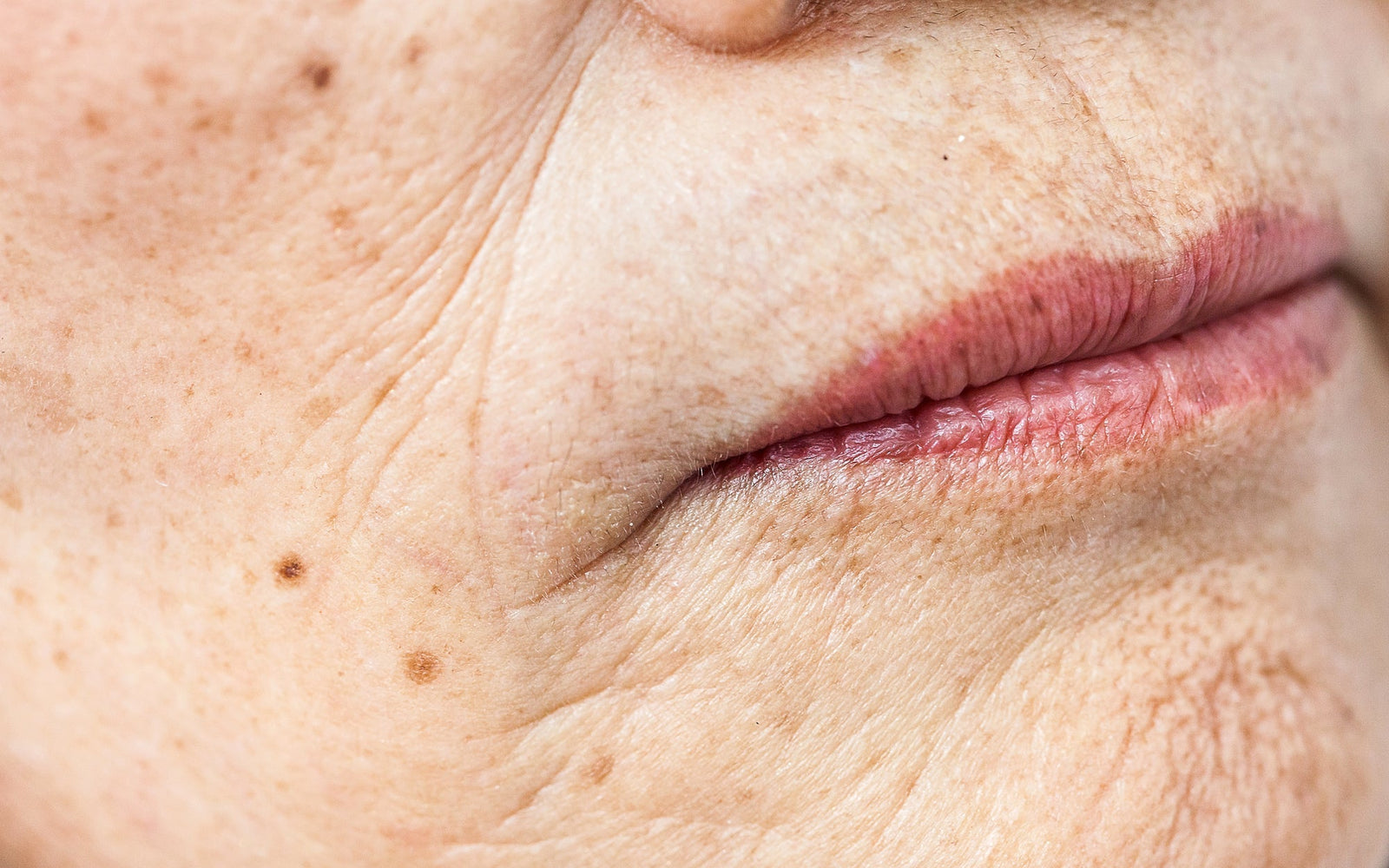
Our skin basically tells our life story. As we get older, especially after lots of time in the sun, it's totally normal for different spots to pop up. Those reddish patches? They can often just be plain old dry skin, sun damage, or even just a little irritation. Then there are those small, brownish-gray spots that love to hang out on sun-exposed areas like your face, hands, neck, and scalp. Those are technically called actinic lentigines, but you probably know them better as age spots, liver spots, or simply sun spots. Usually, these guys are harmless, but sometimes they can look a lot like something more serious.
When to See a Doctor: Prioritizing Skin Health
While most age spots and minor red patches don't require immediate medical attention, my golden rule for skin health is: "If in doubt, have it checked out."
This is especially true for any new or changing skin lesion. It is absolutely essential to have a dermatologist or healthcare professional evaluate any spot that:
- Is very dark or black in color.
- Is increasing in size rapidly.
- Has an irregular or jagged border.
- Displays an unusual combination of colors (e.g., light brown with a dark side, center, or multiple shades).
- Bleeds, itches, or becomes tender without obvious injury.
- Has been changing in shape, size, or color.
These characteristics are often associated with melanoma, the most serious form of skin cancer. Early detection is key for successful treatment.
Treating Age Spots: Beyond Sun Damage
Once you've confirmed that a spot is indeed a benign age spot (and not skin cancer), you might consider options for cosmetic improvement.
Invasive Procedures (Performed by a Dermatologist): For more stubborn age spots, a dermatologist may suggest advanced procedures. According to the American Academy of Dermatology (AAD), these procedures should always be performed by a specially trained professional due to potential risks like scarring.
- Microdermabrasion: A non-invasive treatment involving deep exfoliation of the skin's surface.
- Cryotherapy: Involves freezing and removing spots using liquid nitrogen.
- Chemical Peel: Applies a strong chemical solution to the skin for deep exfoliation, often requiring 10-14 days of downtime.
- Laser Surgery: Uses a focused beam of light to target and vaporize dark skin cells. Multiple sessions are typically needed.
Treating Age Spots Less Invasively with Skincare
For a less invasive approach to reducing the appearance of sun damage and age spots, look for skincare products that feature these hero ingredients known for their brightening and rejuvenating properties:
- Niacinamide (Vitamin B3): A potent form of vitamin B3, Niacinamide is safely effective for lightening dark spots and improving overall skin tone. Learn more about its mechanisms of action and topical use in this study on Niacinamide.
- Vitamin C: This science-backed favorite is a powerful antioxidant that helps slow early skin aging, improving the appearance of wrinkles and dark spots, and preventing further sun damage. Our Platinum High Potency Vitamin C Serum boasts 20% Vitamin C alongside 3% Hyaluronic Acid and Niacinamide, offering a comprehensive solution for overall skin health.
- Hyaluronic Acid: While Vitamin C is the star for brightening, Hyaluronic Acid works synergistically to lock in hydration. Together, Vitamin C and Hyaluronic Acid provide perfect-aging properties that protect against skin damage, resulting in smoother, brighter skin.
- Shiitake Mushrooms (Kojic Acid): These mushrooms contain a dense presence of kojic acid, a hero ingredient known for reducing the appearance of age spots. It offers a less invasive alternative to stronger actives like hydroquinone, with fewer side effects.
- Resveratrol: Whenever you see redness or spots, reach for a product containing Resveratrol. Not only is it a potent antioxidant, but it holds many properties that make it a go-to for wrinkles, age spots, and when you need a boost of hydration.
By knowing when to consult a professional, you empower yourself to maintain healthier, more resilient, and radiant skin for years to come.