


Stop the Skincare Sabotage: Why Heat and Light are Ruining Your Routine
You’ve invested time, effort, and money into finding the perfect skincare products. You've researched ingredients, committed to a regimen, and are excited to see results. But what if one simple, overlooked habit is actively undermining all that effort?
The truth is, where you store your serums, moisturizers, and oils is just as important as how you apply them. Leaving your skincare exposed to heat and sunlight—whether in a sunny bathroom, on a windowsill, or worse, in a hot car—can drastically lessen their efficacy, turning potent ingredients into useless (or even harmful) compounds.
The Invisible Enemy: Heat
Heat is the ultimate saboteur of skincare. Its primary victims are active ingredients and delicate oils. Skincare products should ideally be stored at or below 77 F to maintain their stability and effectiveness.
Active Ingredients Degrade: The Chemistry of Ineffectiveness
Many powerhouse ingredients, like Vitamin C (L-Ascorbic Acid), Retinoids (Vitamin A), and certain Peptides, are inherently unstable. High temperatures accelerate their breakdown through a process called thermal decomposition.
This means that by the time you apply that expensive serum, the active component may have fully degraded into an inert form, sometimes changing color (like Vitamin C turning brown) as a visible sign of spoilage. You are effectively applying a pricey moisturizer with none of the intended benefits.
Oils Go Rancid: When Healthy Turns Icky
This is particularly critical for any product containing natural, unsaturated fatty acids (like rosehip, marula, or squalane oil). Heat exposure rapidly increases the rate of oxidation, causing the oils to go rancid.
Rancid oils are not just less effective; they can actually generate free radicals which contribute to aging, irritation, and clogged pores—the very issues you are trying to fight! If your face oil smells faintly of crayons, old nuts, or just "off," it has likely gone bad.
Car Storage Catastrophe: A Cautionary Tale
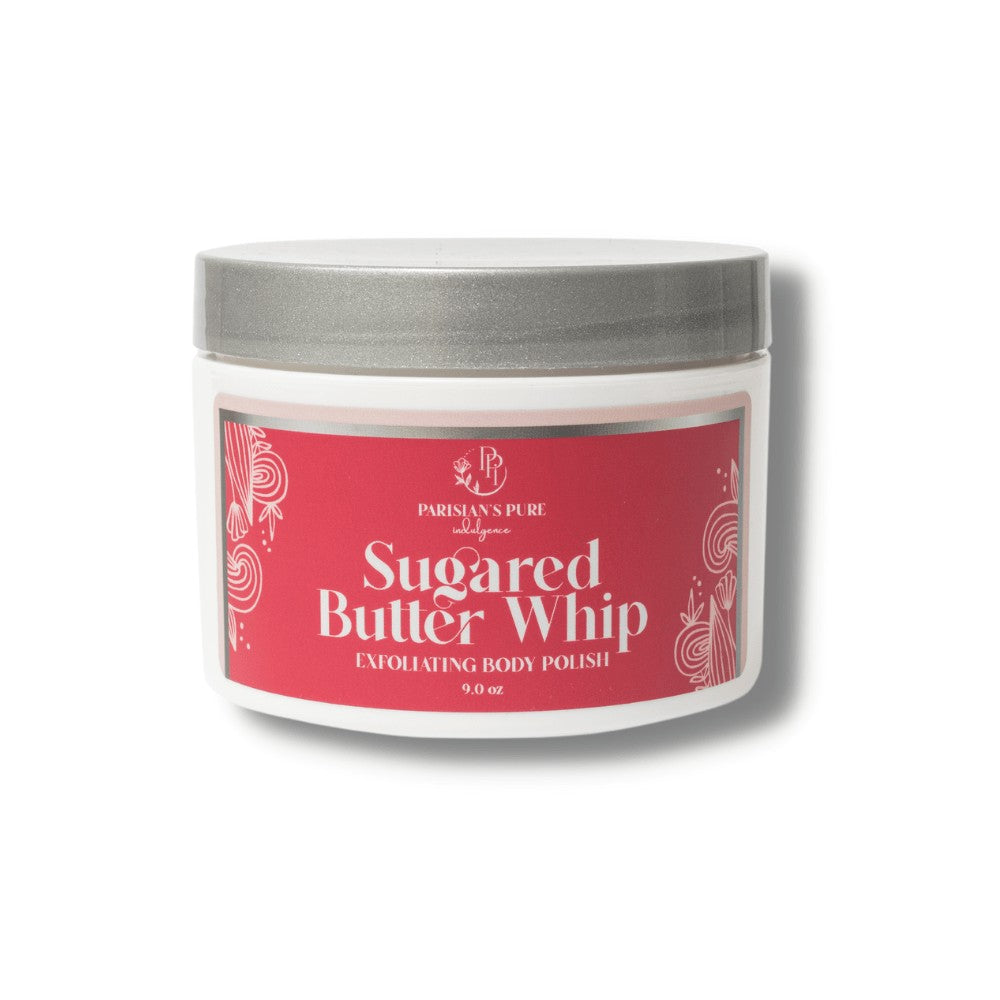
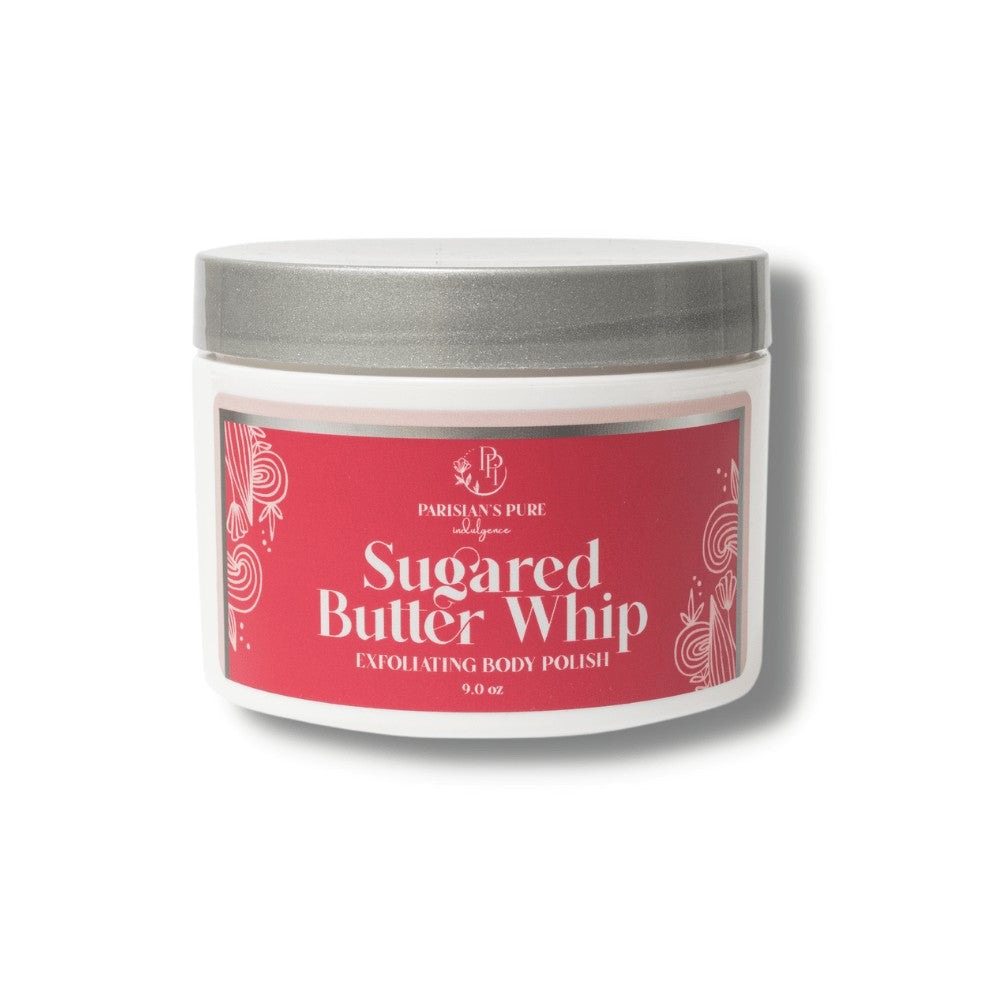
We recently heard from a customer questioning why her favorite sugar scrub had lost its beautiful, bright citrus scent.
After discussing her storage habits, the cause became immediately clear: she had repeatedly left the scrub in her car during several 90+ degree summer days. Remember, the temperature inside a car is always 8-10 degrees warmer than the outdoor temperature, meaning that scrub was likely sitting in a suffocating 100+ degree environment, far exceeding the maximum safe storage temperature of 77 F.
We confirmed the issue by checking our own batch, which still smelled perfectly fresh and citrusy. That one habit—leaving a product in a hot car—was enough to turn a luxurious, effective scrub into a spoiled product, stripping it of its aroma and benefits.
Emulsions Separate: Losing Consistency
Heat can break down the carefully balanced emulsifiers in your creams and lotions, leading to separation. This happens when the oil and water phases of the product split, changing the texture to become watery or grainy. When the consistency changes, it prevents the ingredients from being properly blended and delivered evenly to your skin, diminishing their impact.
The Silent Killer: Direct Sunlight
Much like heat, UV light from direct sun exposure (even through a window) is disastrous for product stability. Dark or opaque packaging isn't just a design choice; it's a necessity. UV rays destabilize the chemical bonds in antioxidants and vitamins, stripping them of their protective qualities long before they touch your skin.
Never store products directly on a sunny bathroom shelf or vanity.
The Problem with Bathroom Humidity
While the temperature of your bathroom might be controlled, the constant exposure to high humidity and steam from showers is another enemy. Repeated heating and cooling cycles from showers can pull moisture into products, changing their pH balance and potentially promoting microbial growth inside the container.
Your Skincare Storage Action Plan
To protect your investments and ensure you get maximum efficacy:
- Find a Cool, Dark Place: The single best location is a drawer, medicine cabinet, or closet—somewhere consistently cool, dry, and shielded from light.
- Maintain Room Temperature: Ensure your storage area consistently stays at or below 77 F, especially during hot summer months.
- Avoid the Bathroom Window & Vanity: Never leave products on countertops, especially near windows or hot styling tools (curling irons, hair dryers). Keep products out of the direct blast of steam and humidity.
- A Note on Refrigeration: While some products (like certain eye creams or Vitamin C serums) benefit from chilling, do not refrigerate oil-based products (like balms or oils). Extreme cold can change their texture and efficacy just as much as heat. Only refrigerate if the manufacturer specifically directs it.
By simply changing where and how you store your products, you ensure that every application delivers the full, active benefit you paid for. Don't let poor storage habits sabotage your skin goals!