
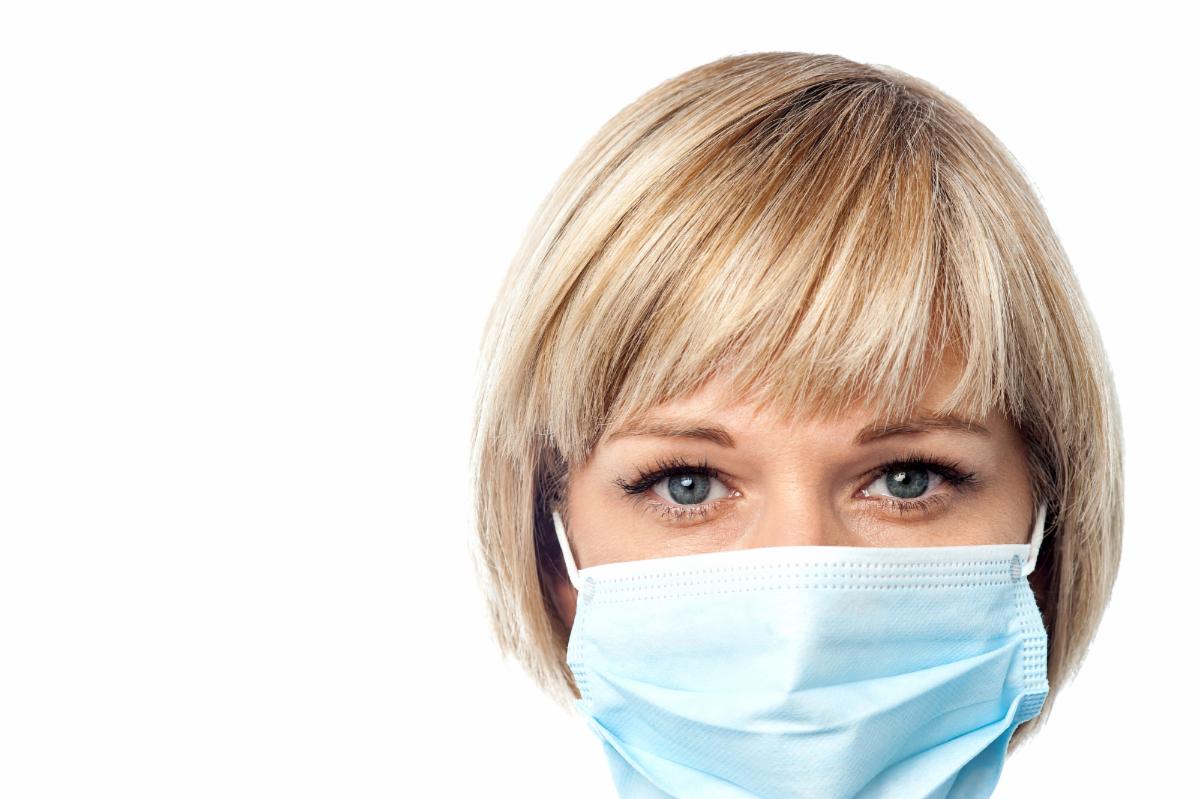

Maskne: A Modern Skin Problem
Flu season is approaching and you've been a superstar about wearing your face mask, but now you're noticing breakouts in strange new places on your face.
That sudden crop of pimples, redness, or irritation around your mouth, cheeks, and jawline is a common issue with a modern name: Maskne.
Essentially, it's a form of acne and skin irritation caused by wearing a face mask for extended periods. It can affect anyone at any age and is a frustrating skin concern for many.
What Causes Maskne?
Dermatologists and skincare experts agree that several factors combine to create the perfect storm for Maskne under your mask. The primary culprits are:
- Friction: The constant rubbing and pressure of a mask against your face can irritate the skin, disrupting its natural barrier and leading to inflammation and breakouts.
- Trapped Moisture and Heat: Your breath, sweat, and natural skin oils get trapped under the mask, creating a warm, humid environment. This moist, sealed-off area is a breeding ground for bacteria and yeast, which can easily clog pores.
- Bacteria Buildup: As you talk, breathe, and sweat, bacteria from your mouth and skin accumulate on the mask itself. If the mask isn't changed or washed frequently, you're continuously pressing these bacteria back onto your skin.
Dermatologist-Approved Prevention & Treatment
According to dermatologist Dr. Abigail Waldman, the best way to prevent Maskne is a two-pronged approach: mask hygiene and a consistent skincare routine.
Mask Hygiene is Key
Dr. Waldman reports that "The best way to prevent maskne, is to keep your mask clean and by throwing away your disposable masks after every use."
This advice is especially crucial as flu season approaches. Disposable masks are designed for single use, and their materials can become less effective and more irritating over time as they accumulate moisture, oils, and bacteria.
- Treat as Single-Use: Make it a strict habit to use a new, clean disposable mask every time you go out. Avoid reusing the same mask day after day, as the bacterial and oil buildup on the inside is a primary culprit for Maskne.
- Carry a Spare: It's a great idea to carry a small supply of fresh, individually-wrapped disposable masks with you. If you get sweaty or your mask feels damp from breathing, you can easily swap it out for a clean one.
- Mask Breaks: Whenever you are in a safe, secluded area, be sure to take a mask break for 15 minutes every few hours. This allows your skin to breathe, release trapped moisture, and reset before putting on a new, clean mask.
The Best Way to Treat Maskne

A proper skincare routine is your best defense against Maskne.
- Cleanse Gently and Effectively: Dr. Waldman recommends "washing your face before and after wearing a mask with a gentle facial cleanser." This is crucial for removing the bacteria and grime that have built up. For hormonal or persistent acne, consider a facial cleanser with activated coconut charcoal. Coconut is considered a purer form of activated charcoal, and it works like a magnet to pull out toxins and impurities, giving your skin a soft, clean, and clarified appearance without stripping it.
- Moisturize to Protect: After cleansing, apply a soothing moisturizer. A gentle moisturizer helps to restore your skin's natural barrier, protecting it from the friction and irritation of the mask and locking in hydration.
- Targeted Treatments: For existing breakouts, look for products with ingredients like niacinamide to reduce inflammation or hyaluronic acid to deeply hydrate without clogging pores. These can help to calm the skin and support its healing process.
By combining proper mask hygiene with a gentle yet effective skincare routine, you can take control of your skin and keep it happy and healthy, even while wearing a mask.